Across the world, ordinary people have risked everything to defend freedom, dignity, and truth. Some raised their voices through journalism or art, others organized protests, documented atrocities, or simply refused to be silenced.
Many paid the ultimate price; others continue to live under threat and restriction. Yet their stories remain powerful reminders that resistance can take many forms — a blog post, a camera, a poem, a march, a flag raised in the night.
This page honors these sacrifices.
As part of Masahat Festival 2025, Connect the Dots transforms the street into a series of participatory artworks intended as an act of collective remembrance. On your postcard, trace the lines between numbered points to unveil portraits of freedom of expression martyrs from across the MENA region.
Lina Ben Mhenni (1983–2020)
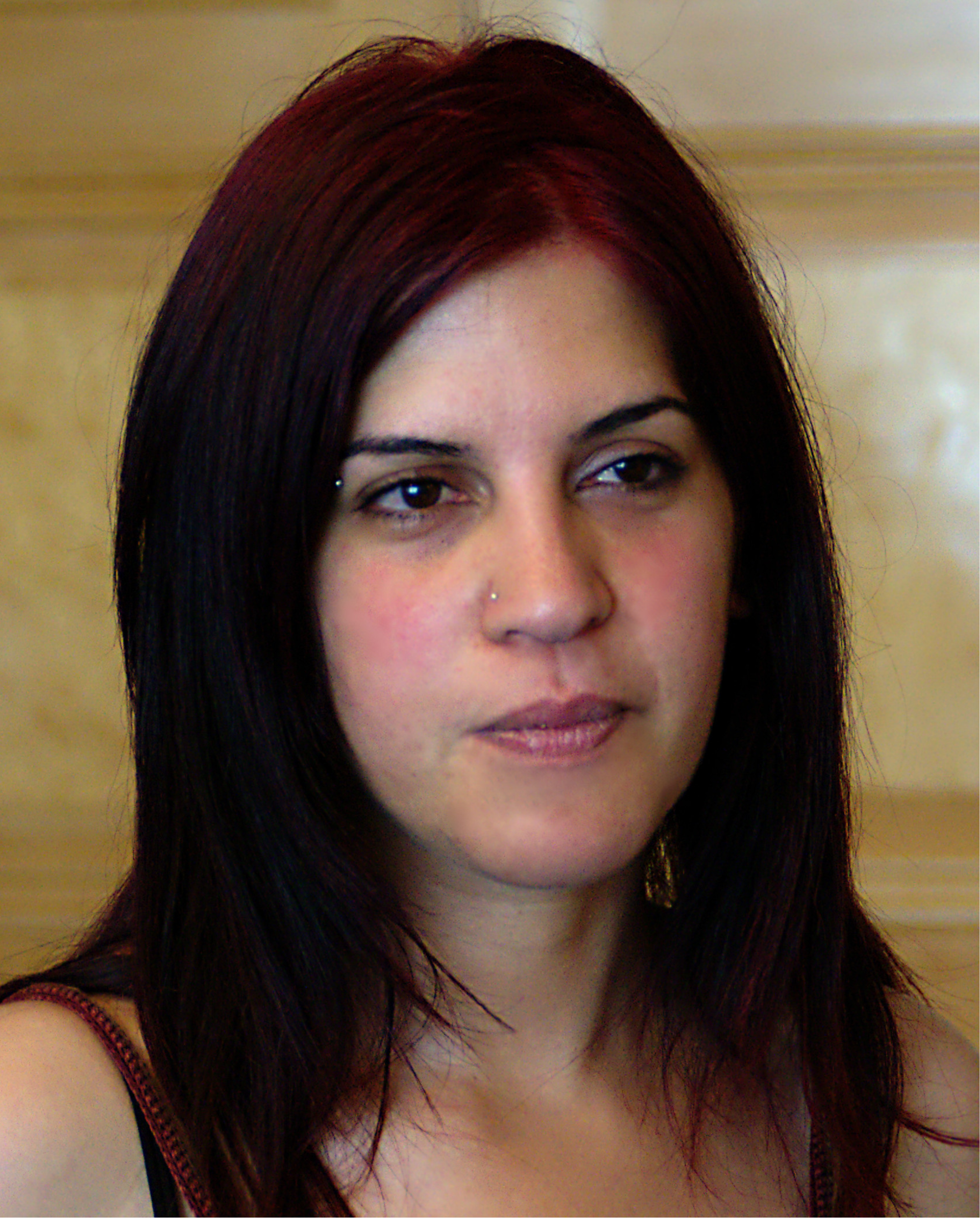
Lina Ben Mhenni was a Tunisian blogger, activist, and linguistics lecturer, best known for her blog A Tunisian Girl. During the 2011 revolution, she travelled to cities like Sidi Bouzid and Kasserine, documenting police brutality and censorship under the Ben Ali regime. Her courageous reporting gave the world an uncensored view of Tunisia’s uprising and inspired activists across the Arab world. Despite living with chronic illness, she remained a tireless advocate for women’s rights, democracy, and freedom of expression. She died in 2020 at age 36, remembered as one of the most influential voices of the Arab Spring.
Bassel Khartabil (1981–2015)
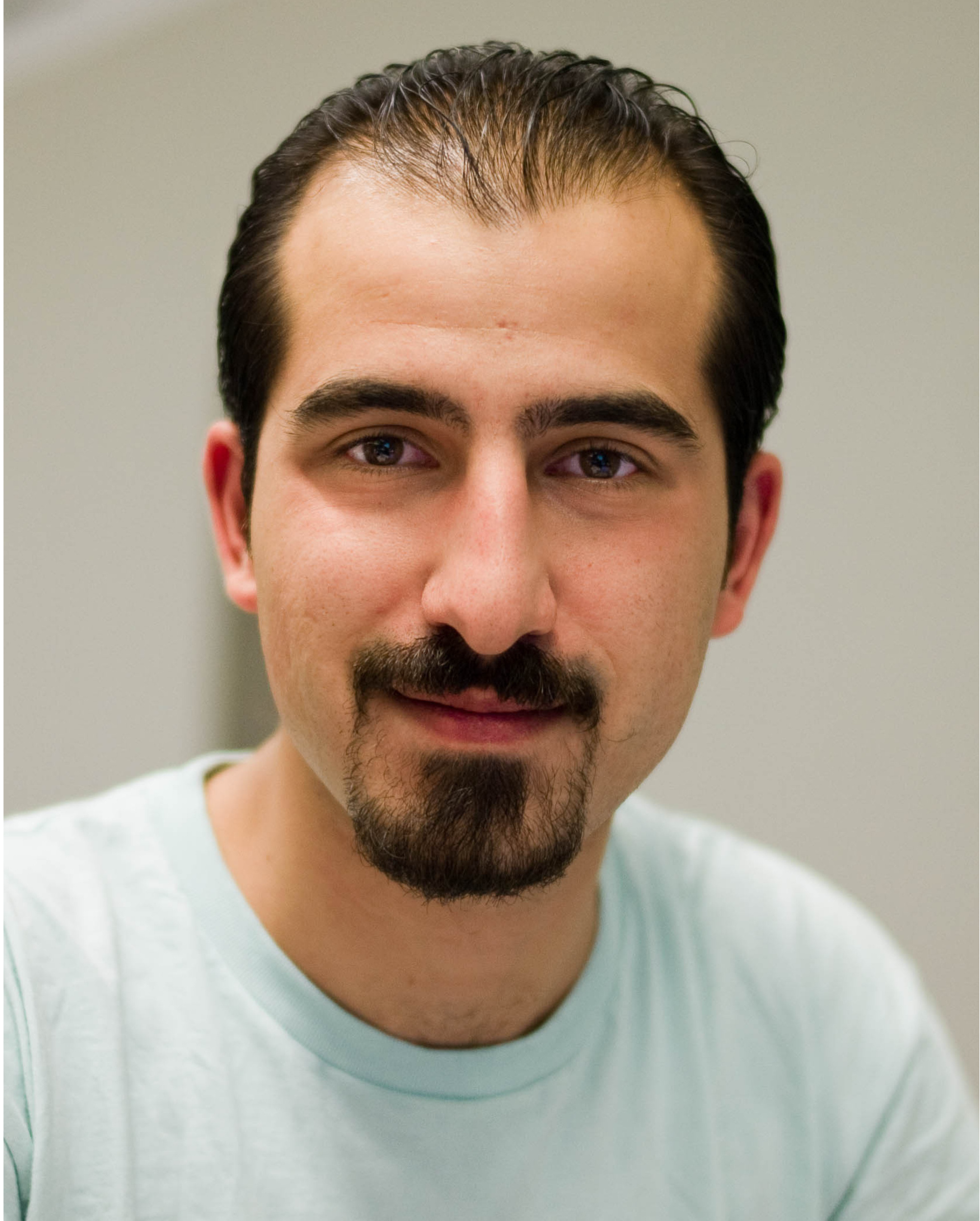
Bassel “Safadi” Khartabil was a Syrian-Palestinian software engineer and open-source advocate. He introduced Creative Commons to Syria, contributed to projects like Mozilla and Wikipedia, and worked to digitally preserve Syrian heritage sites such as Palmyra. In 2012 he was arrested by the Assad regime and held under harsh conditions for three years. In 2015 he was secretly executed, though news of his death only emerged later. His legacy lives on through global initiatives in digital freedom, culture, and open knowledge.
Razan Zaitouneh (b. 1977, disappeared 2013)
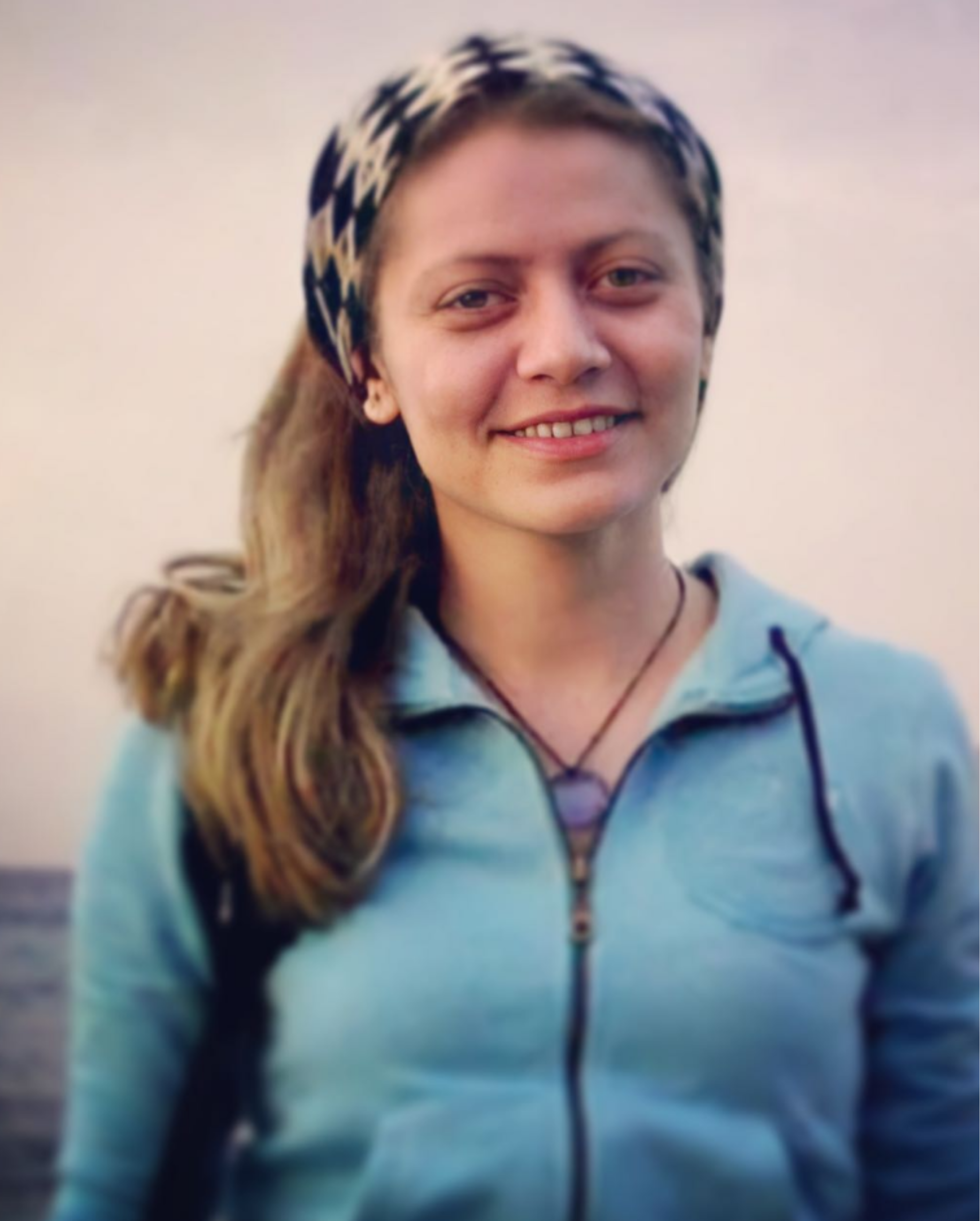
Razan Zaitouneh is a Syrian human rights lawyer and co-founder of the Violations Documentation Center. She risked her life to document atrocities committed during the Syrian civil war, focusing on torture, kidnappings, and attacks on civilians. Her outspoken activism made her a target of both the Assad regime and armed groups. On 9 December 2013, she and three colleagues were abducted in Douma, Eastern Ghouta, and have not been seen since. She remains a symbol of truth-seeking and human dignity in the midst of war.
Alaa al-Siddiq (1988 - 2021)
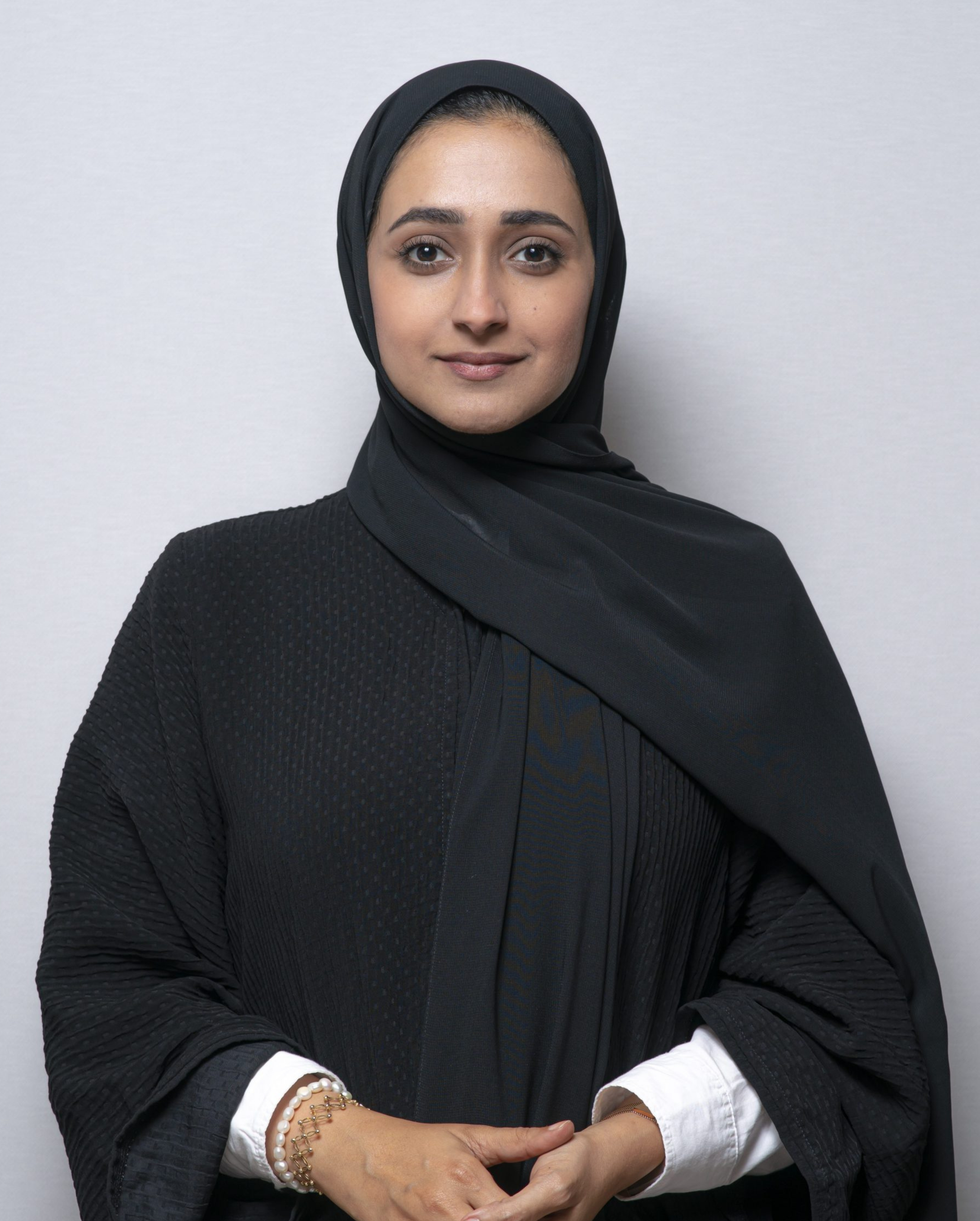
Alaa Al-Siddiq was an Emirati human rights campaigner whose family were stripped of their citizenship after her father Mohammed Abdulrazzaq Al-Siddiq’s arrest in 2012 who remains detained to this day despite his prison term having expired in April 2022. She was also known for her opposition to the normalisation of relations with Israel, and her defence of the Palestinian cause and inalienable rights of the Palestinian people; she took part in several demonstrations denouncing the crimes of the Israeli occupation in the Occupied Palestinian Territories.
Sarah Hegazi (1989–2020)
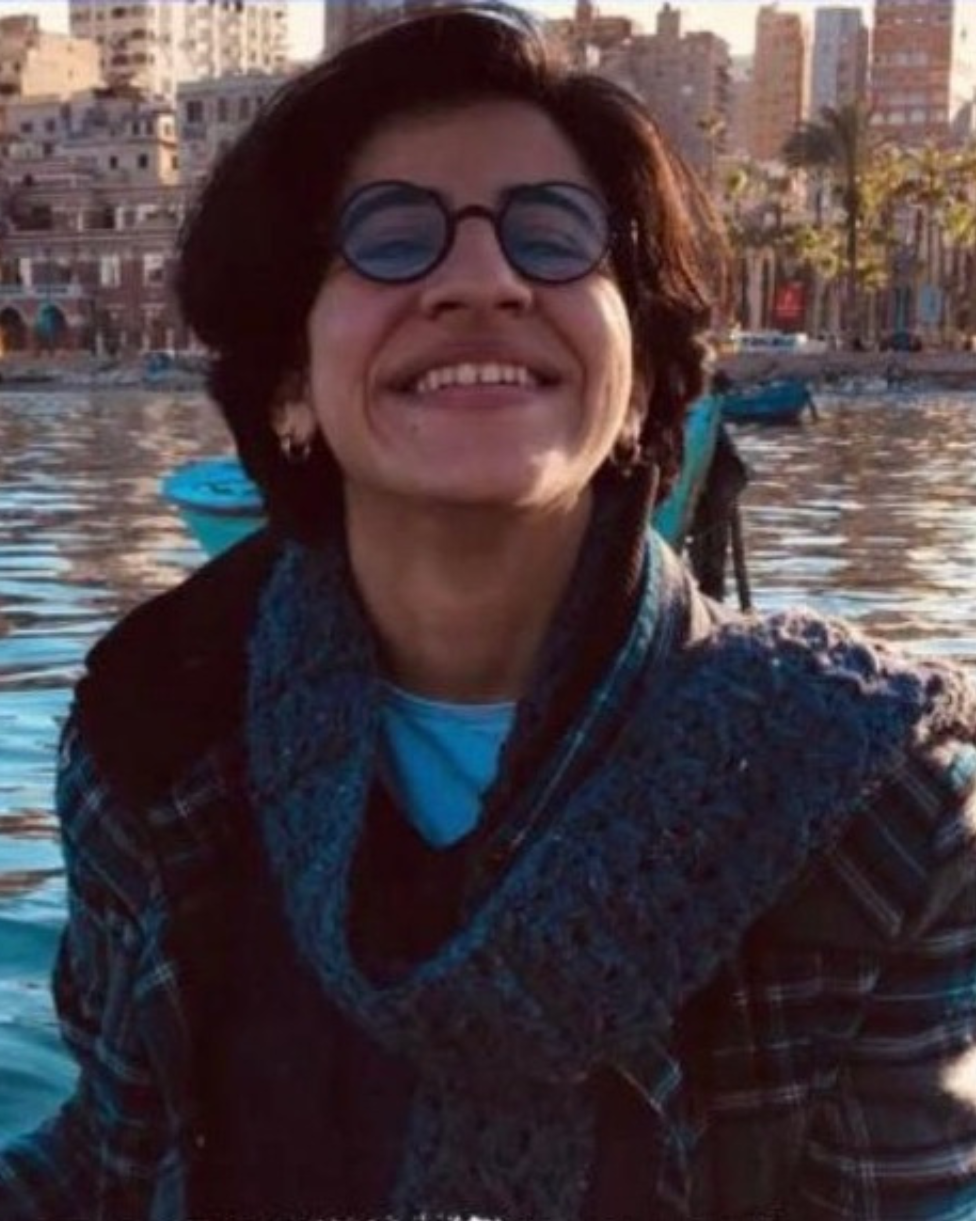
Sarah Hegazi was an Egyptian LGBTQ+ activist and writer. In 2017 she was arrested and tortured after raising a rainbow flag at a Cairo concert, an act that became a landmark in queer history in the Arab world. After her release, she fled to Canada, where she continued her activism in exile. The trauma she endured, however, led to her death in 2020. She is remembered as a gentle and brave soul whose final message of love and freedom continues to inspire.
Mohamed “Blue” Matar (1993–2019)
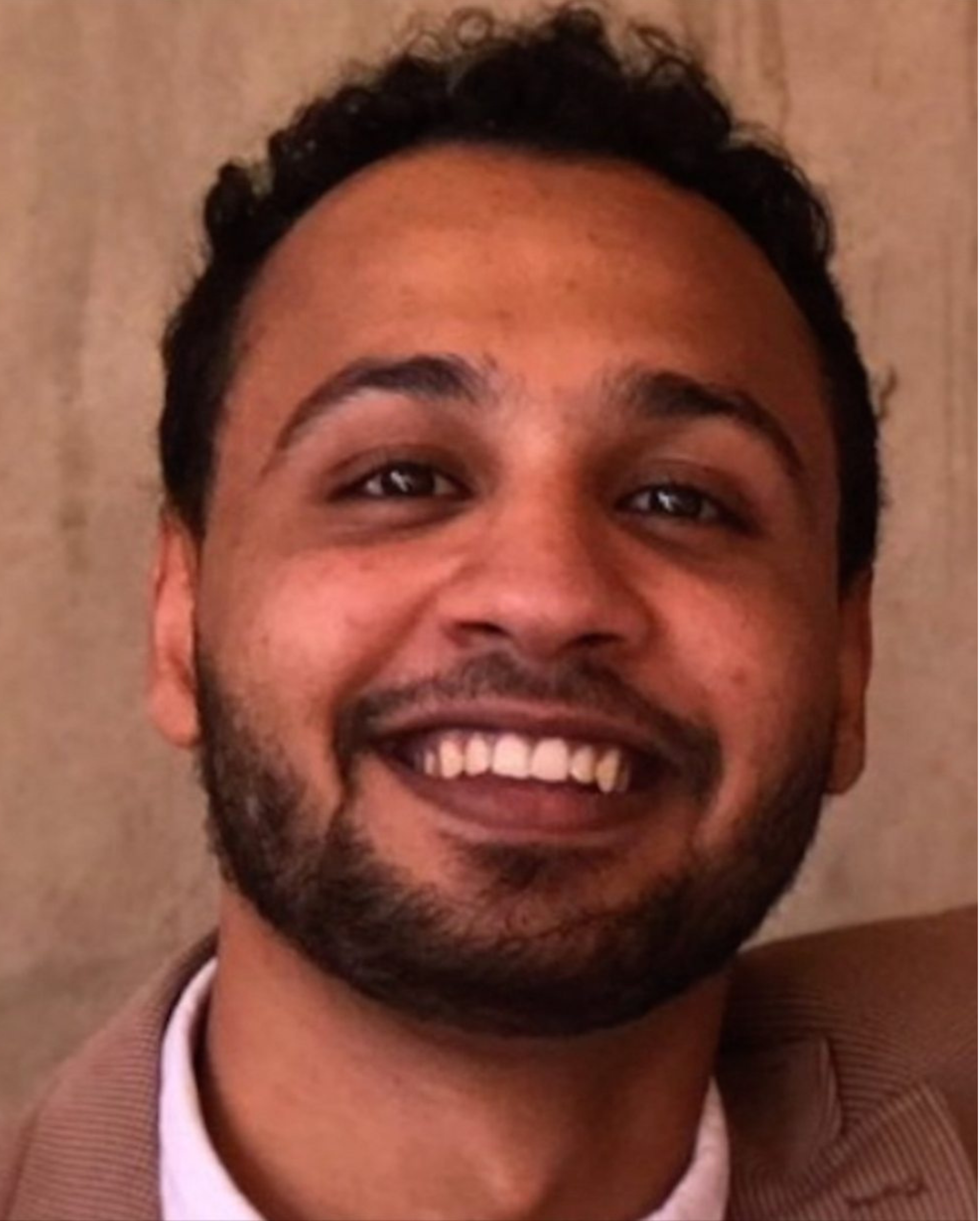
Mohamed Matar, often called “Blue Matar,” was a Sudanese protester and engineering graduate who became a symbol of Sudan’s 2019 uprising. He was shot dead by the Rapid Support Forces during the violent dispersal of a sit-in in Khartoum. Reports say he was killed while trying to protect two women, making his sacrifice especially poignant. His favourite color, blue, became a global symbol of solidarity through the #BlueForSudan campaign. He is remembered as a martyr for Sudan’s democratic struggle and a symbol of youthful courage.brave soul whose final message of love and freedom continues to inspire.
Shireen Abu Akleh (1971–2022)
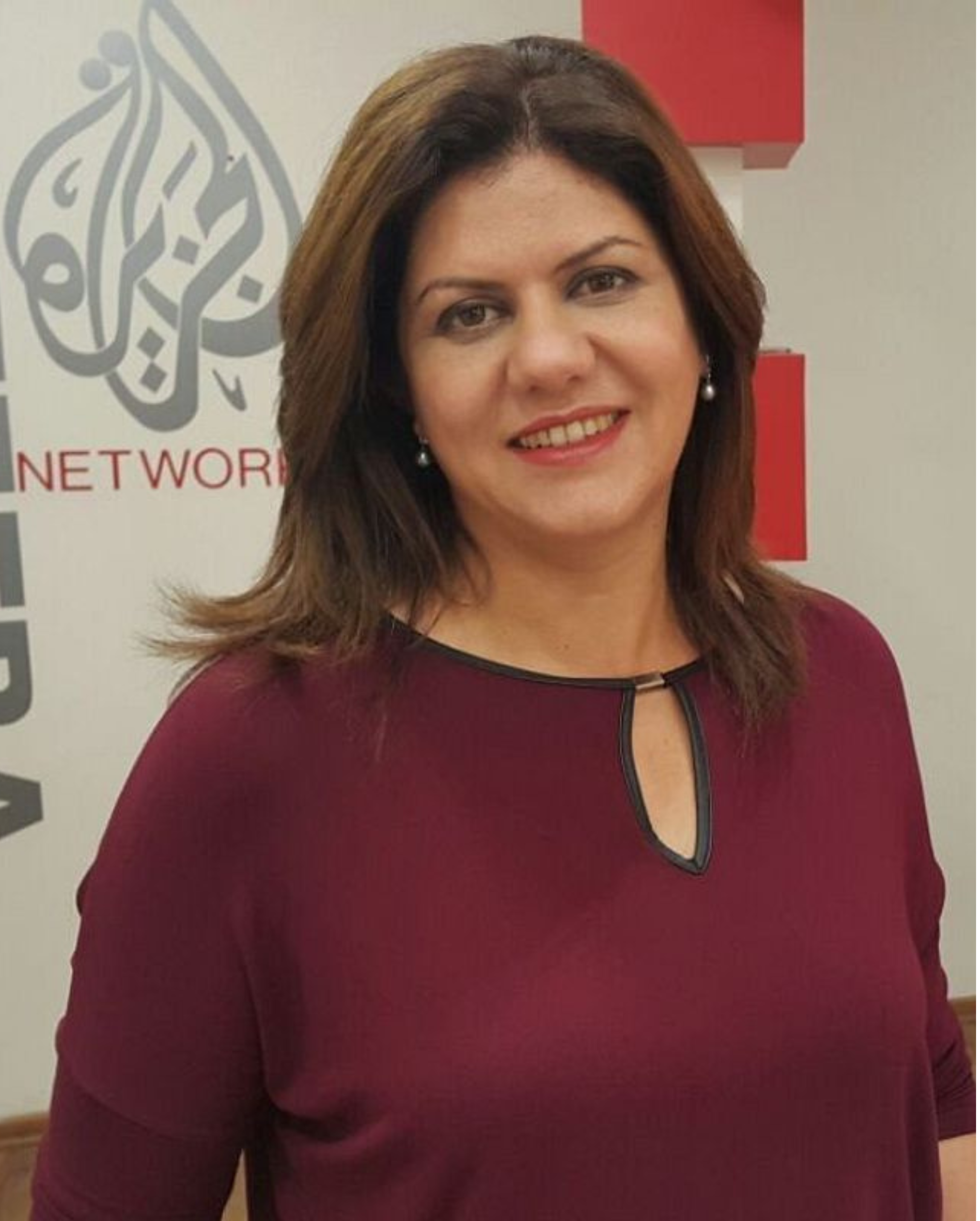
Shireen Abu Akleh was a Palestinian-American journalist who worked with Al Jazeera for 25 years. Known for her calm, steady reporting on the Israeli-Palestinian conflict, she became one of the most trusted voices in the region. She covered refugee camps, clashes, and life under occupation, becoming a role model for many young journalists. In May 2022, she was killed while reporting in Jenin despite wearing a press vest, sparking international outrage. Her legacy lives on in scholarships, awards, and the countless reporters she inspired.
Jamal Khashoggi (1958–2018)
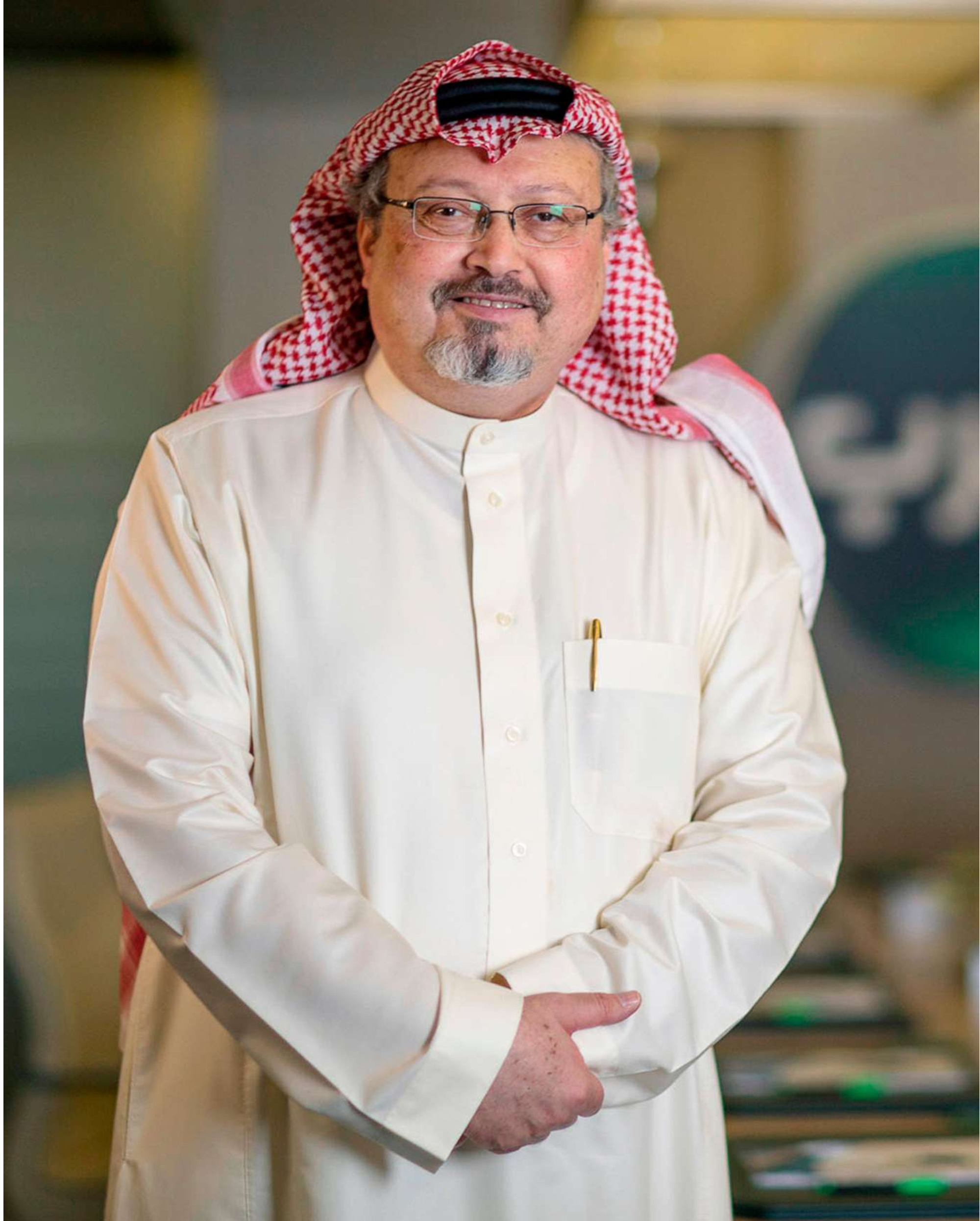
Jamal Khashoggi was a Saudi journalist and columnist for The Washington Post. A former insider turned critic of Saudi leadership, he called for freedom of speech and political reform. In 2017 he went into exile in the United States, continuing to publish critical articles. On 2 October 2018 he was murdered inside the Saudi consulate in Istanbul, a killing that shocked the world. His death made him a symbol of silenced dissent and global press freedom.
Shady Habash (1995–2020)
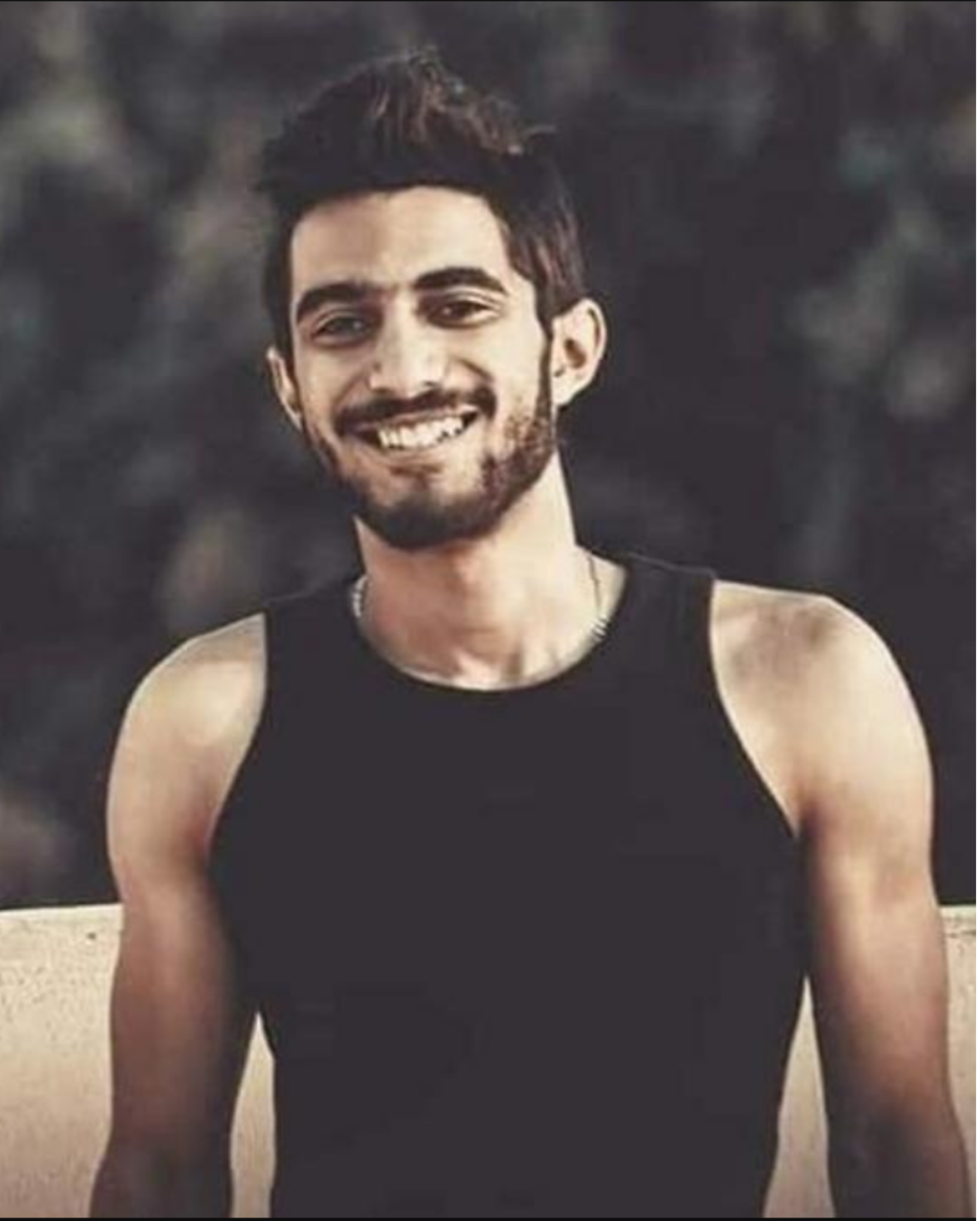
Shady Habash was an Egyptian filmmaker and photographer. In 2018 he directed a satirical music video critical of President Abdel Fattah el-Sisi, leading to his arrest. He spent over two years in pretrial detention under harsh conditions. On 1 May 2020, at age 24, he died in prison, sparking international concern. He is remembered as a martyr for creative freedom, representing the risks faced by young artists under authoritarianism.
Thorolf Rafto (1922–1986)
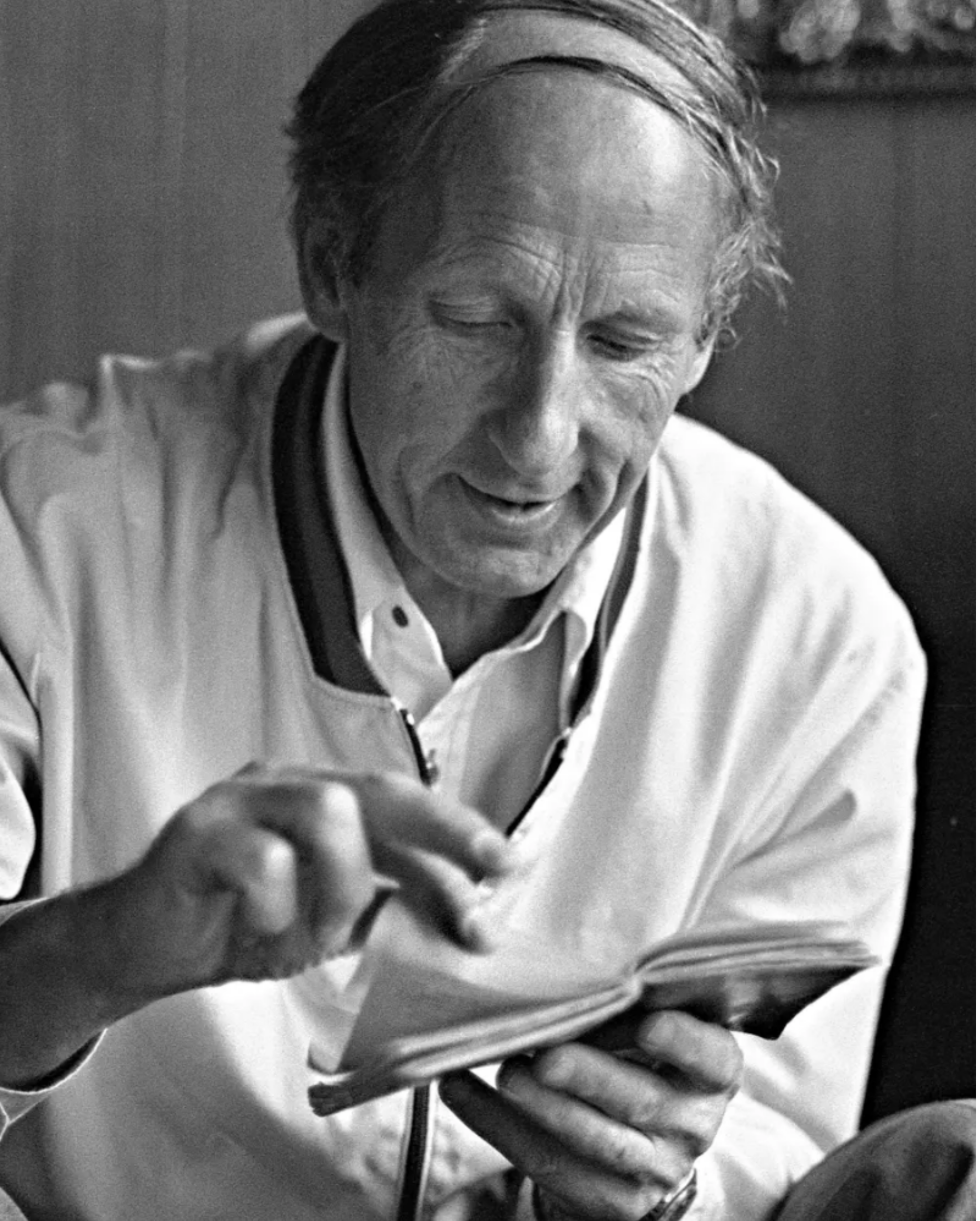
Thorolf Rafto was a Norwegian professor of economic history and human rights advocate. He dedicated his life to supporting dissidents and democracy activists in Eastern Europe during the Cold War. Known for his empathy and solidarity, he brought international attention to their struggles. He died in 1986, but his legacy continues through the Rafto Foundation. Each year the Rafto Prize is awarded in his name, honoring defenders of human rights worldwide.

