Kawaakibi Foundation is an organisation which merges intellectual research with activism. The foundation was born out of the Arab Spring, and we work towards a world free of tyranny and in which society trumps the state, extremism in all its forms have no appeal, and individual rights are sacrosanct.
We built Kawaakibi Foundation to address the long-term needs of the MENA region's movements for dignity - strategic planning, sustainable ecosystems, viable models for the future of our governance systems, and answers to the systemic problems that trouble our region and the wider world.
We work on the region as a whole, and view it as an interconnected ecosystem suffering under interconnected systems of transnational repression which cannot be addressed in isolation. Only together can we build a sustainable base for a move towards accountable governance. Our ethos has always been: we're not free until we're all free.
Active since 2013, we are now a vibrant collective of activists, artists and thinkers from across the region and its diasporas, led by our founders Iyad El-Baghdadi and Ahmed Gatnash.
Kawaakibi Foundation's vision is to create a MENA region that is free, egalitarian, pluralistic, integrated, safe, and prosperous. Kawaakibi's approach is based on the belief that the MENA region has enormous untapped potential and that by mobilising civil society and engaging with the diaspora, the region can reclaim its rightful place and contribute positively to the global community. We seek to build a global movement for justice, peace, and equality that centres on the MENA but also reaches out to and cares about causes around the world.
In pursuit of this mission, we conduct original research, bolster civil society, coordinate campaigns, and work towards healing and promote new models of activism.
Our Team Of Thinkers, Researchers, Designers And Artists.
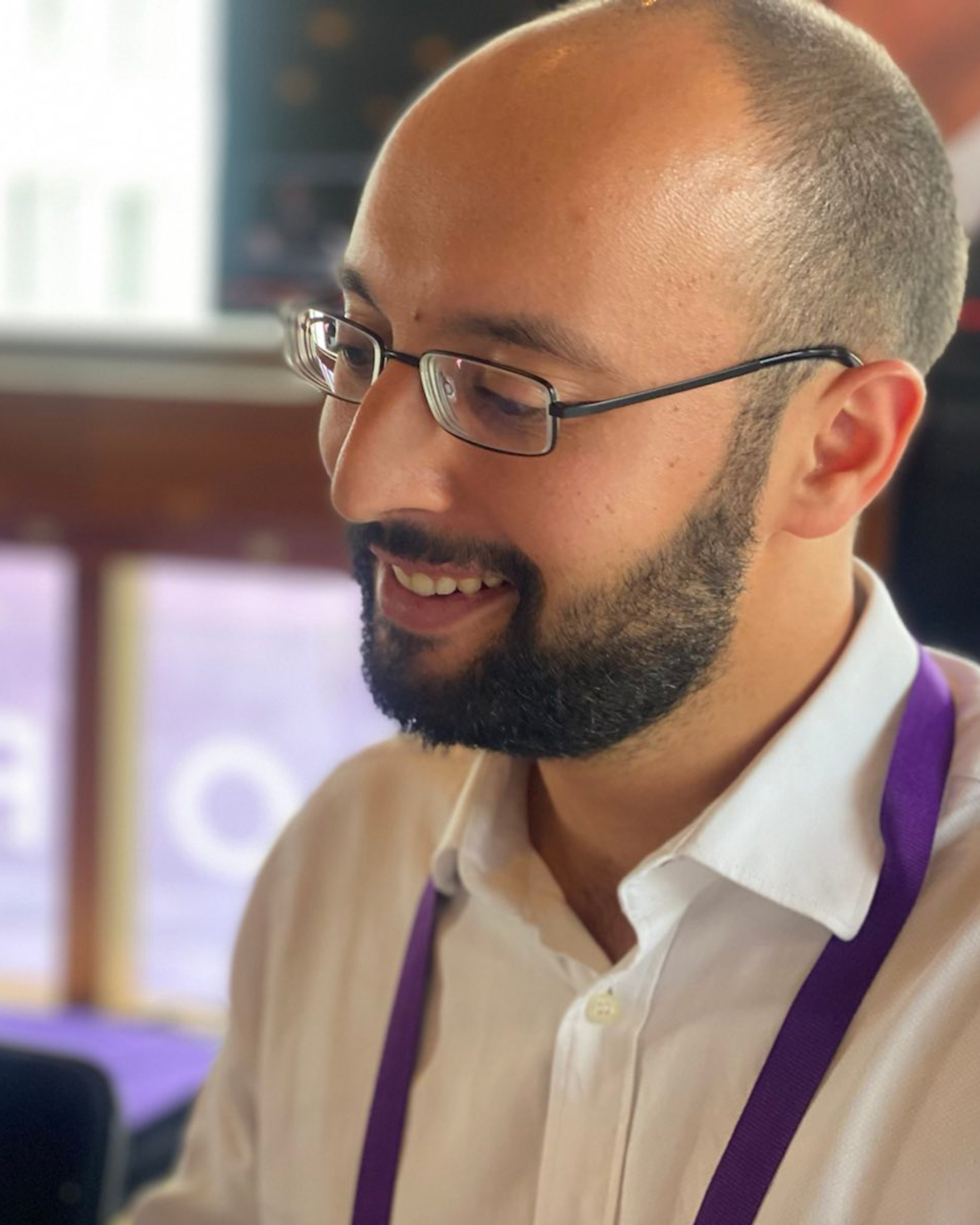
Executive Director
Libyan-British author and engineer. Kawaakibi’s co-founder and Executive Director. An expert on MENA authoritarianism and democracy movements.
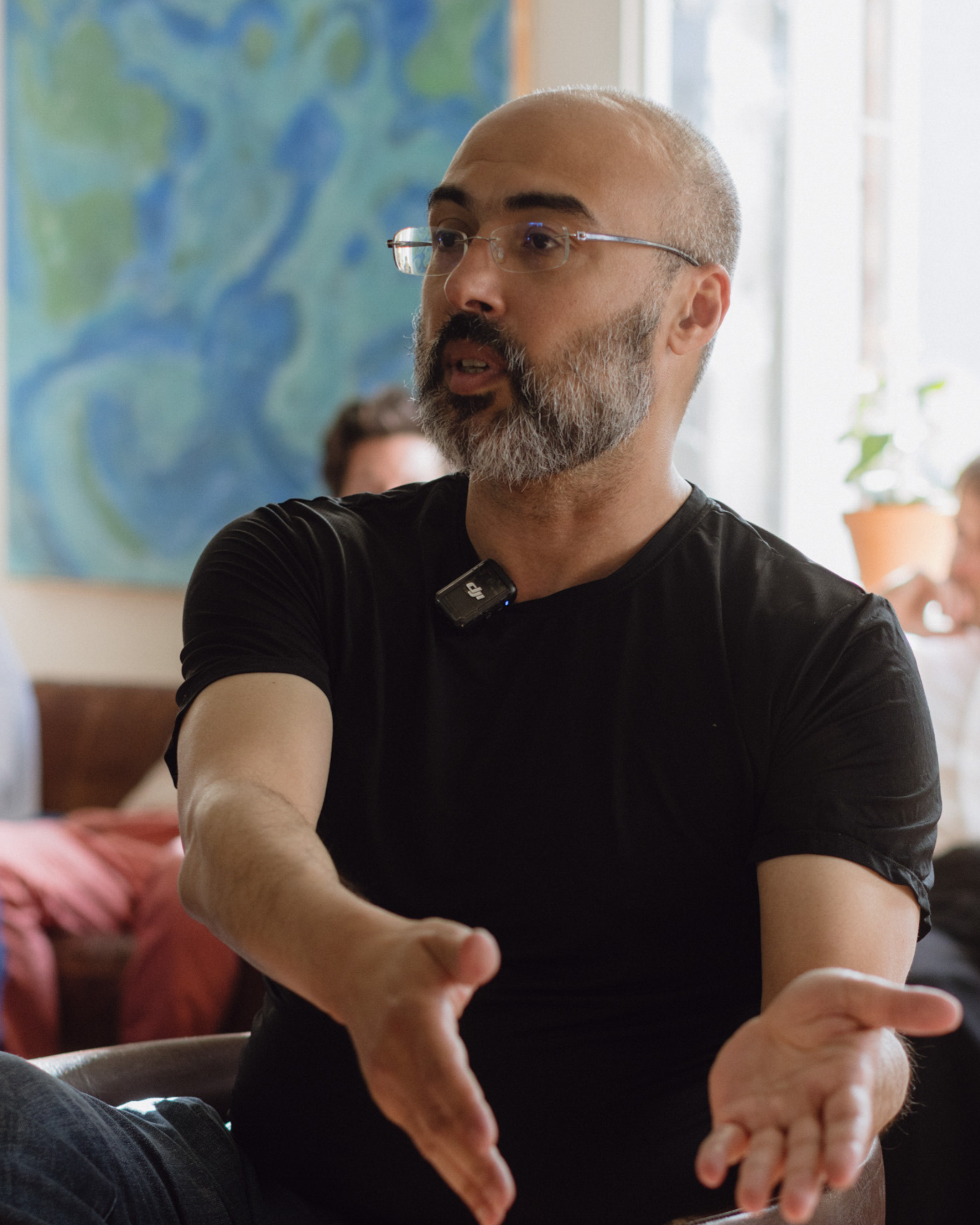
Chairman
Palestinian-Norwegian thinker and author. Internationallyrecognised expert on geopolitics, disinformation and transnational repression.

Head of Operations
Kulna’s Operations Lead, an experienced Pakistani Norwegian project manager and developer.
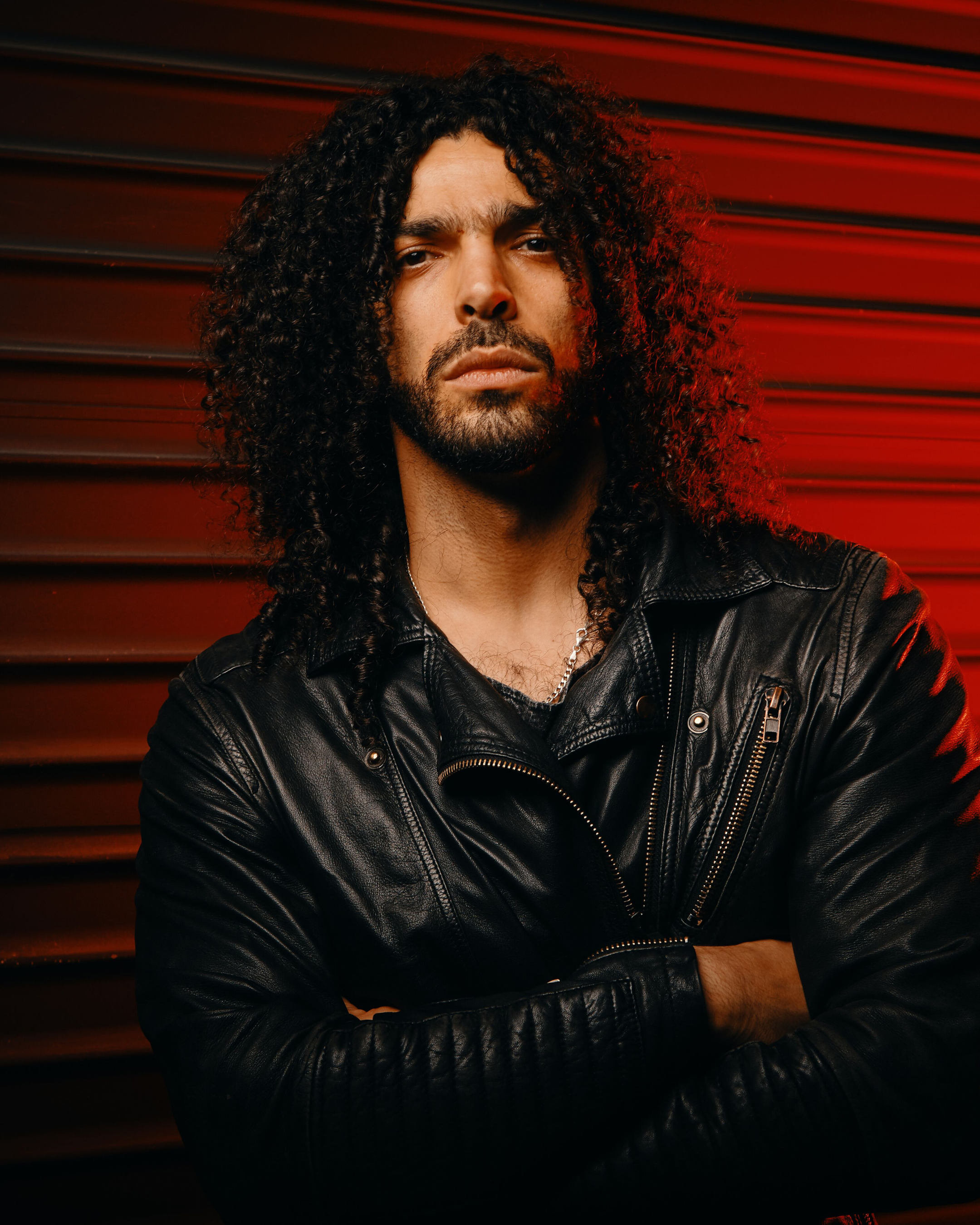
Shefa Program Director
Revolutionary musician and artist known as the voice of Tahrir square. Torture survivor and healing advocate. Live event and broadcast media production specialist.
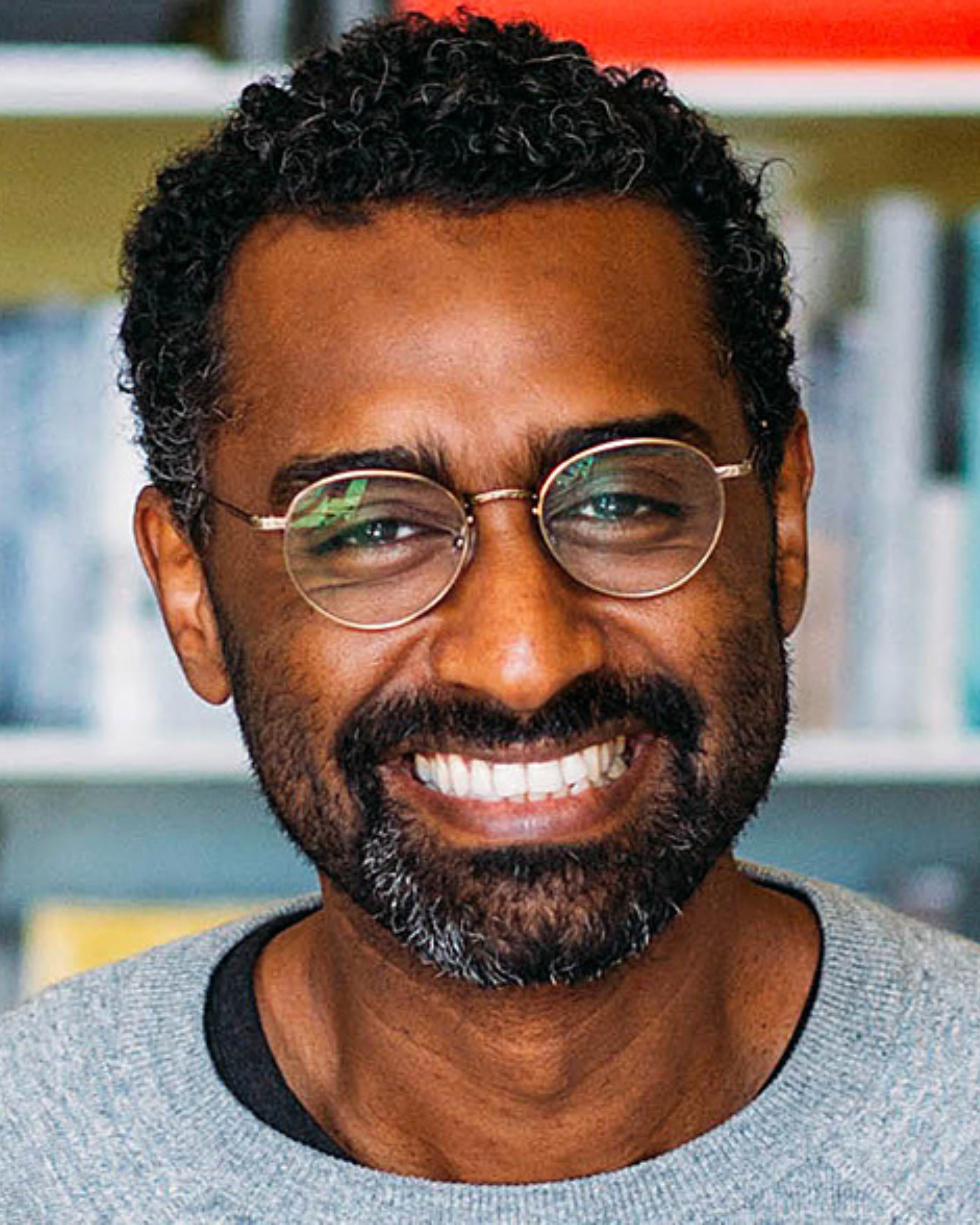
Senior Creative
Award-winning Sudanese political artist, analyst, and curator. Lead for Kulna’s art and culture space. Inaugural Soros Art Fellow.
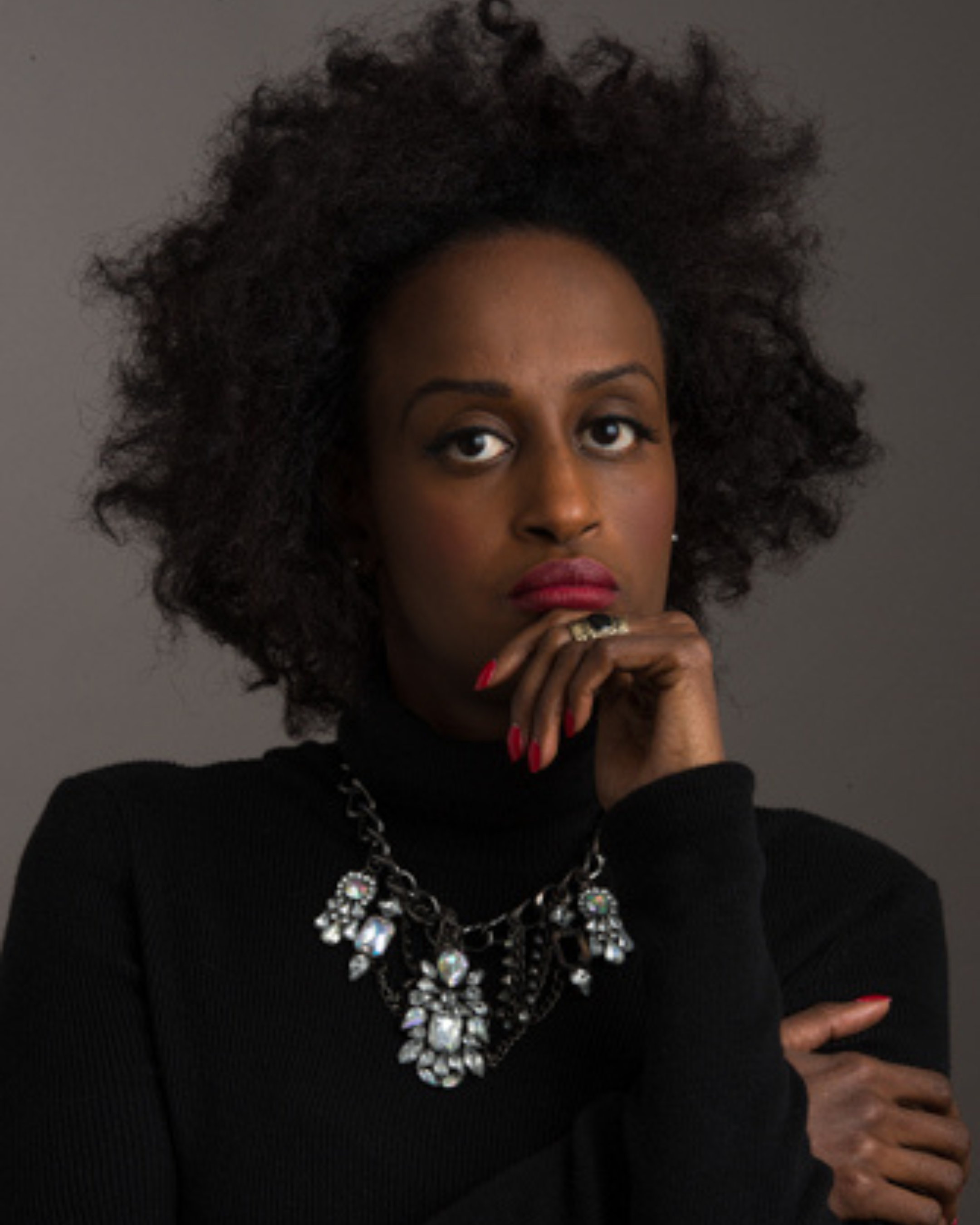
Wellbeing Coordiantor
Somali-British psychotherapist, award-winning anti-FGM campaigner and former Rector of the University of St Andrews.

Shefa Program Associate
Isabelle has led youth centers and worked as an environmental therapist, empowering vulnerable individuals to achieve independence.
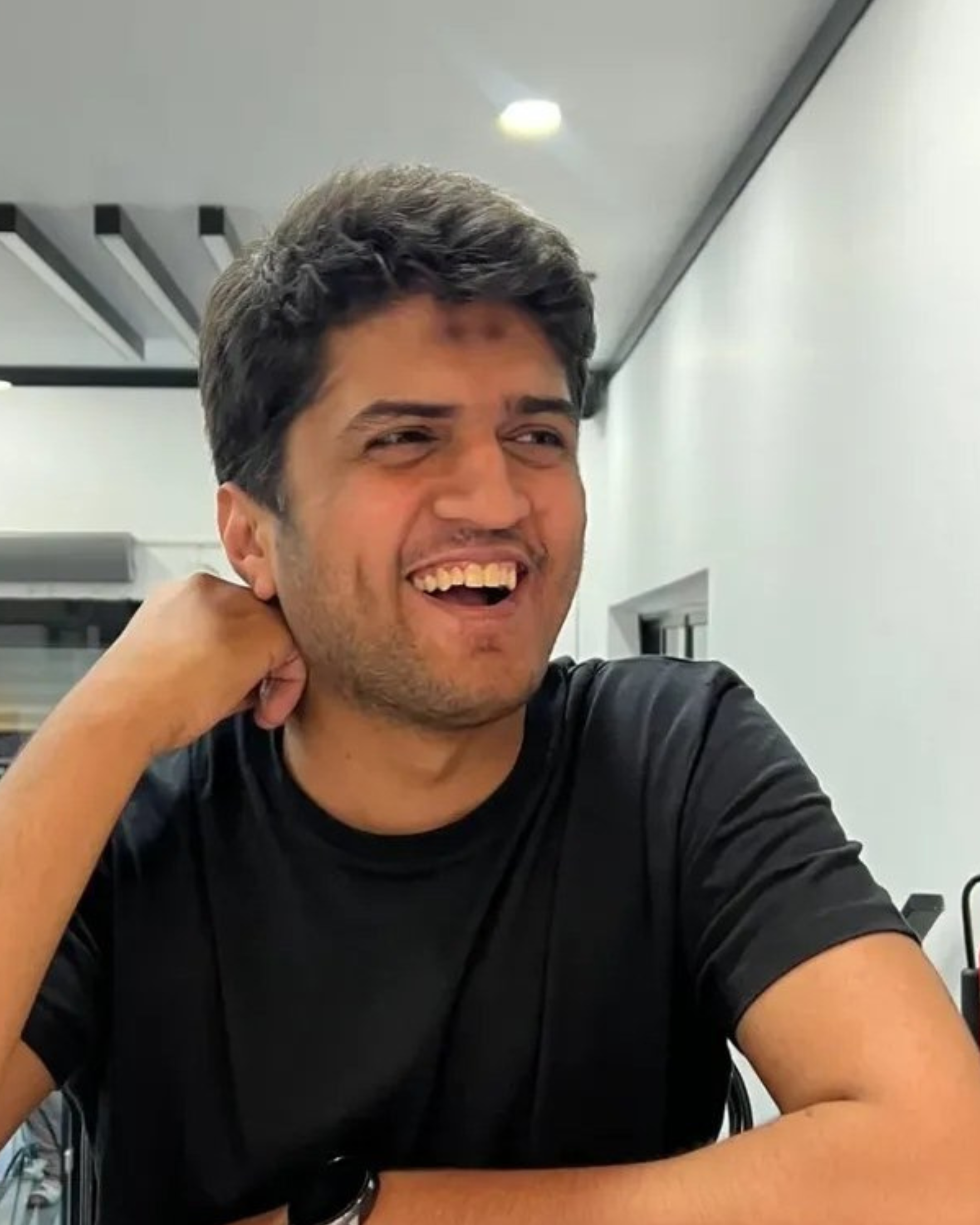
Media Editor
Media production expert and the brains behind Pakistan’s largest independent podcast platform, Eon.
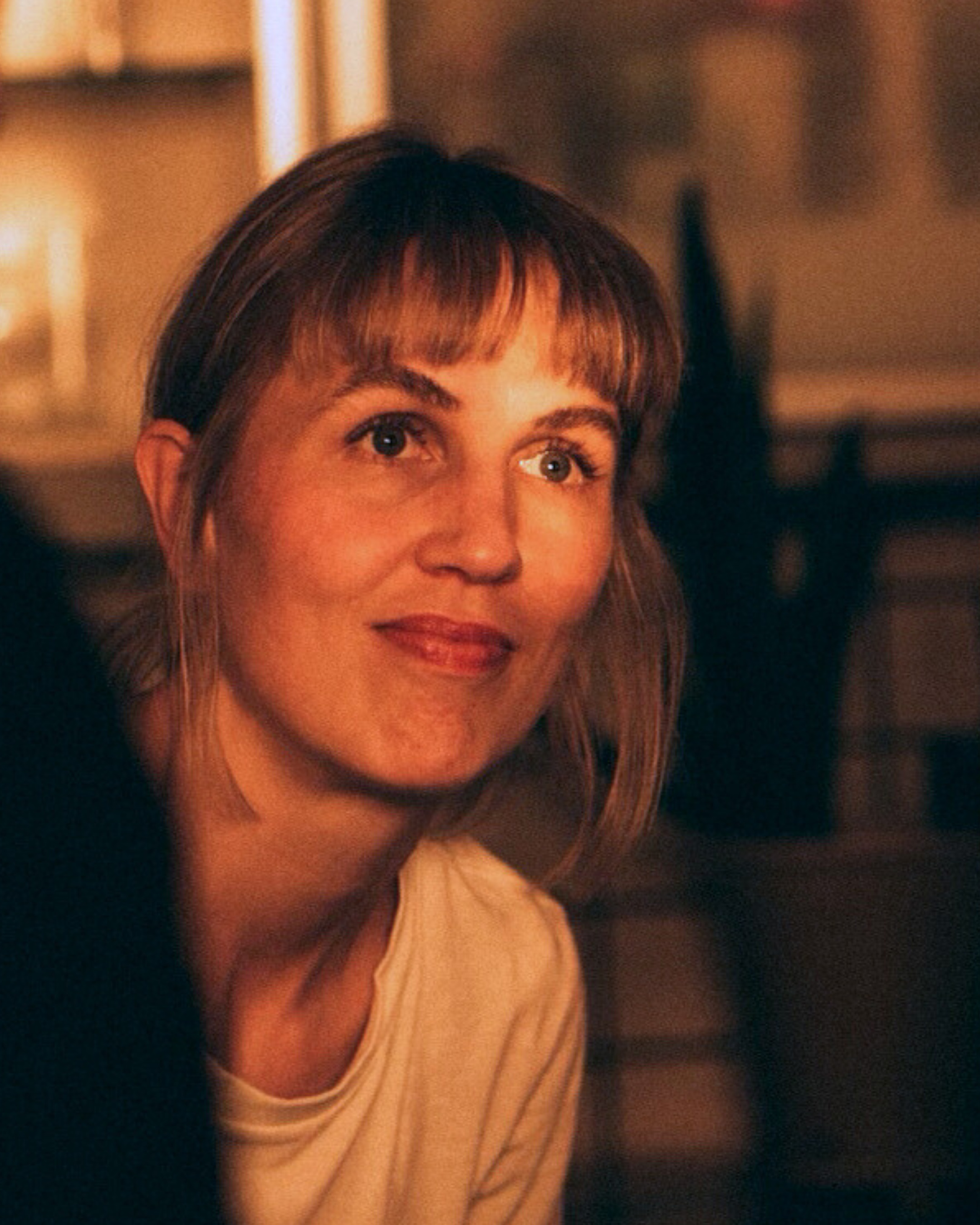
Creative Lead, KULNA
Norwegian artist, designer, and ex-economist. Kulna’s lead for narrative & visual identity.
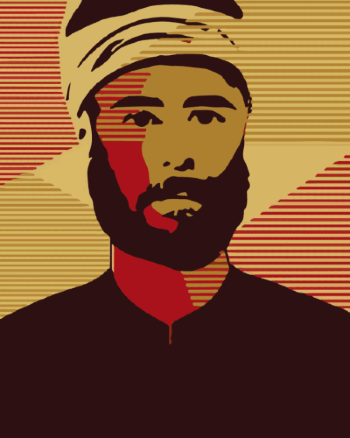
Abdulrahman al-Kawaakibi (1855-1902)
Abdulrahman al-Kawaakibi (1855-1902), was a leading Syrian Muslim intellectual of the Arab renaissance of the 19th century. Born in Aleppo, Syria, he worked in publishing and local government before starting his own journal, which was shut down by the authorities.
He was a fierce advocate of liberty, constitutionalism and free speech, his outspoken criticism of the Ottoman government leading him to be harassed, intimidated and imprisoned. He left into exile, where he wrote his magnum opus “The Nature of Tyranny”, which continues to inspire over a century after it was published.
His eloquent writings demonstrate a connection to his Islamic heritage but also deep familiarity with the ideas of the world beyond, an openness to rational argument and human wisdom, and above all a burning concern for the suffering of his community.
The state of living under tyranny is unnatural and runs counter to God’s intent for humanity”
Tyranny of the majority is worse than the tyranny of the few, for it has a semblance of legitimacy”
Political reform always leads to religious reform, and religious reform always leads to political reform”

